


September 27, 2023

Fall is Here!

Author

Holly Stickley

Update First Last in Content -> Business Text -> First Last field

Date

September 27, 2023

Share

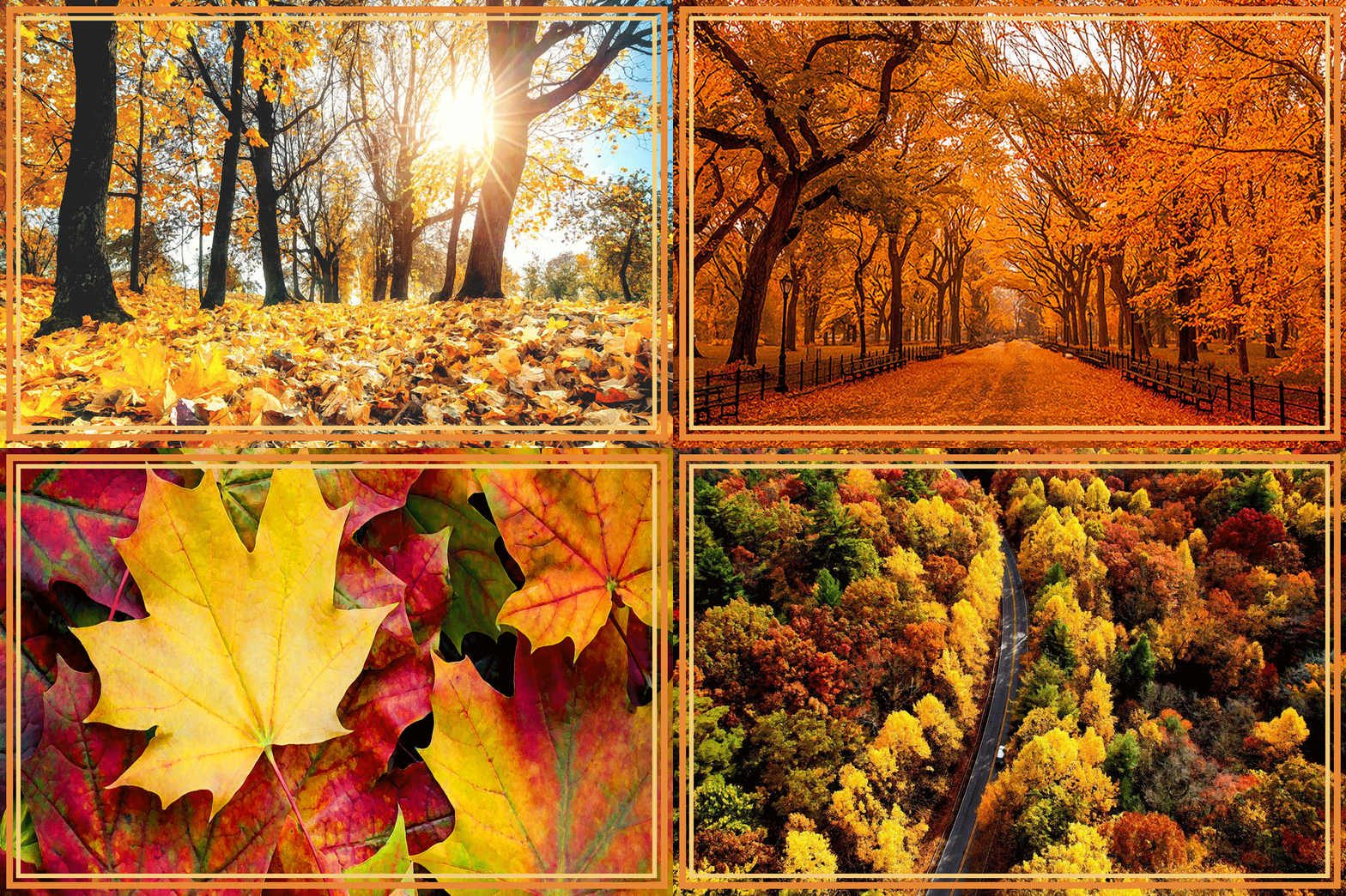
Sunlit autumn forest with golden leaves, tall trees, and bright sunlight filtering through the woods

“I’m so glad I live in a world where there are Octobers.”
L.M. Montgomery, Anne of Green Gables


Hello Garden Friends,

Fall is here! Time to get out your sweaters, enjoy the cooler weather, beautiful warm fall colors, and in our household it’s football and nacho time! 🏈

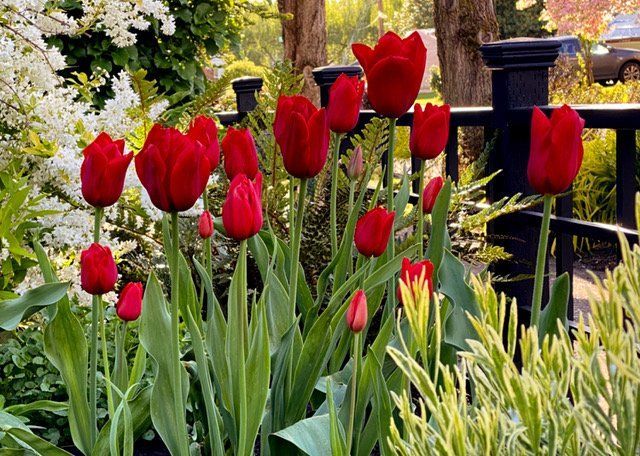
Fall is also the time to plant spring flowering bulbs, such as daffodils, crocus, hyacinths, and alliums. My favorite bulb is the tulip. I absolutely adore tulips! I love their statuesque elegant form in such a wide array of styles and colors.

Red tulips blooming in a garden beside a black fence and green foliage

If you've never planted a tulip bulb, no worries, it's not heart surgery. There was a time many moons ago, when I thought the only way I could have tulips growing in my garden was to purchase them in bloom, and then plant them in the ground…🤪 Thank goodness, I have since learned that tulip bulbs are planted in the fall. They need a cold period (mimics their origin) to ensure the bulbs have a good root system to feed their foliage and spring blooms. 

So, over the years, if you've been oohing and eyeing your neighbor's tulips and want to try your hand at growing them yourself, here's how to plant:

• Plant deep - 8 inches, measuring from the base of the bulb.

• Dip each bulb in a solution like Bobbex—chemical-free fertilizer that repels rodents.

• Plant 3-4" apart, pointed side up, flat root side down.

• Cover with soil, pat, water, mulch, and wait—piece of cake!

And, here are a few design tips:

• Plant in large drifts under deciduous trees and tall shrubs.

• Plant in clumps of as little as 5, but repeat loosely in a drift.

• Plant the same variety. Think bold strokes - big impact!

• Plant a few varieties in the same tonal range.

• Plant with low-growing spring blooming mounding perennials.

There are many resources available for purchasing tulip bulbs. I like to purchase for myself and for my clients online at Dutch Grown. Spending evenings with my laptop, a glass of prosecco, and drooling over all the choices is my happy place! Many local nurseries also carry bulbs this time of year.  

However you buy your bulbs, be picky! Avoid bulbs with soft or insect damaged areas. Tulips should have their skins intact (also called tunics) or they'll be vulnerable to disease. A good rule of thumb, “the bigger the bulb, the bigger the bloom.” Next spring, your garden will be the one oohed and eyed over, with your long-stemmed, elegant, dazzling beauties!🌷


Flora Grubb Gardens

Flor de Grubb nursery entrance with potted plants and a person standing under the sign

It’s the new Flora Grubb Gardens in L.A.! I was thrilled to spend time with Flora, who I’ve been following online for a number of years. Flora showed me around, while my husband Fred shot video. Click on the arrow and check it out.


Fall Tips for the Garden

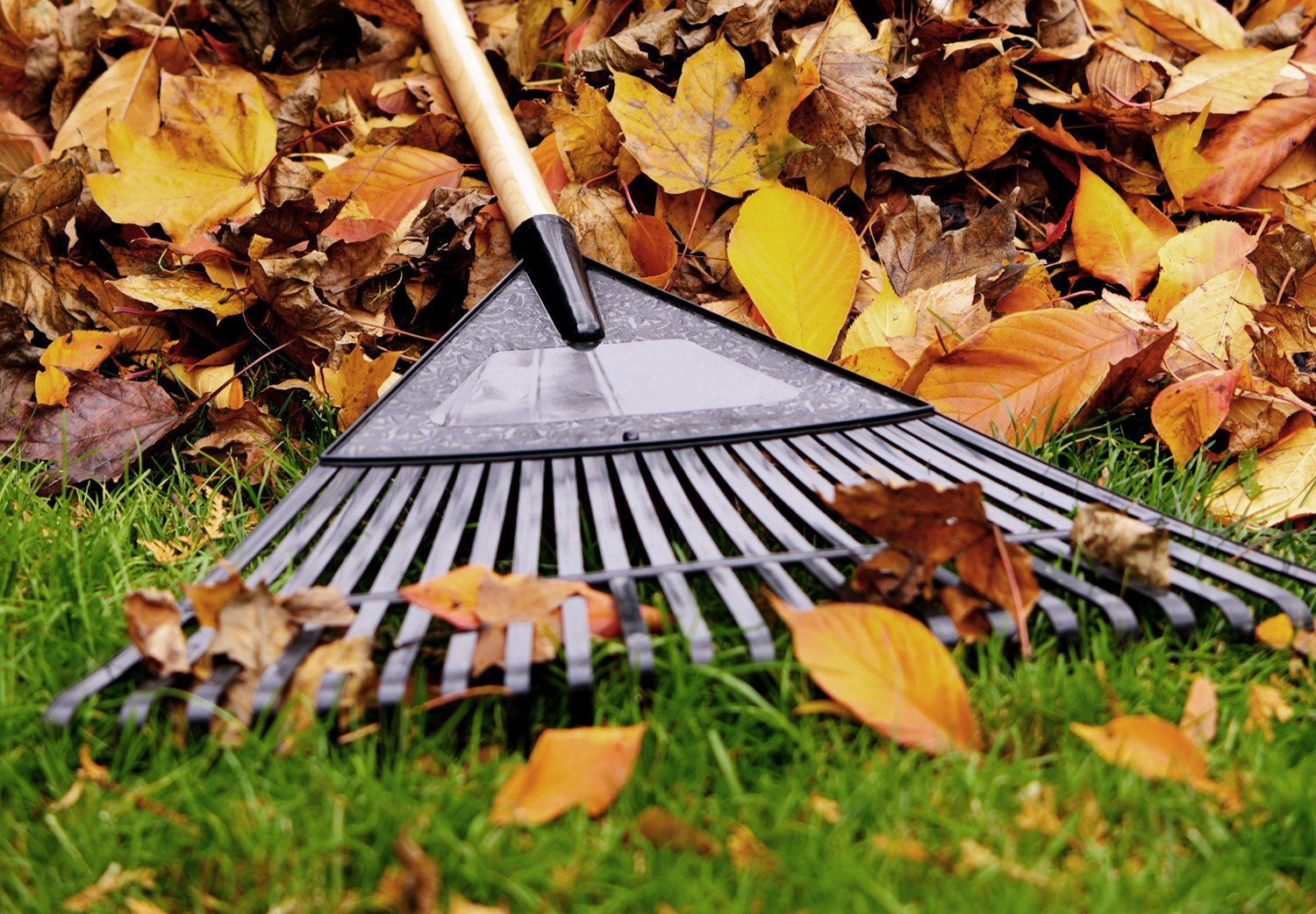
Rake gathering autumn leaves on grass, with yellow and brown leaves scattered around

There’s nothing like putting on a fresh pair of clean garden gloves to motivate me to get out in the garden and move my body—I currently have seven pairs that I rotate😬! I’ve also been inspired by the Netflix series, Live to 100: Secrets of the Blue Zones , to move my body as much as much as I can, and fall gardening is definitely a great way to move your body, and have a spruced up garden to boot! 

1. Some of the most opulent trees to have in your garden this time of year include: maples, dogwoods, katsuras, and sourwood trees. With the growing season over, fall is a great time to plant dormant trees.

2. When the display of color is over, there are many options for managing your leaf debris. Leaves can be used for composting and amending soil, mulching veggie beds or ornamental shrubs, or if possible, leaving areas of leaf debris for beneficial insects and pollinators to overwinter in. Make sure you get the right rake for the job. There are many garden rakes available on the market, but not all serve the same function.

3. Many trees and shrubs can be pruned in fall as the plants go dormant. Using the proper tools like a hand pruner for small cuts, loppers for 1.5-2” cuts, and a pruning saw for 2-4” cuts ensures a safer pruning experience. Many perennials will start to brown and can be cut back, as well as late summer blooming shrubs, such as macrophylla hydrangeas will finish blooming, and should be pruned now before winter.

4. Cooler weather can jumpstart lawn growth, keeping your lawn mowed to a 2.5” - 3” height is ideal for grass health. Aerating, fertilizing with slow-release fertilizer, thatching, and overseeding are all important tasks that can be done in the fall to make sure your lawn will look great year-round.

5. Summer annuals are coming to an end, and now is a great time to change out your planters for fall arrangements. Plants such as ornamental grasses, mums, pansies, ornamental cabbage and peppers can make interesting arrangements with a variety of colors and textures. Adding in a small pumpkin or squash can make a festive focal point!

6. Birds, squirrels and other garden animals are stocking up on food and nutrients before winter comes. Putting up a hummingbird feeder is a great way to attract garden friendly wildlife. ‘Anna's’ hummingbird is the only hummingbird species found regularly during Oregon winters, so letting them know your yard is a source for a food can entice them to continue visiting through winter.

7. Make sure to adjust your irrigation schedule when the cool and rainy weather becomes consistent. Continue to adjust and monitor planting as we head into fall and don't turn your systems off too early. Many smart irrigation controllers have weather tracking systems that can automatically adjust your irrigation program according to the forecast!

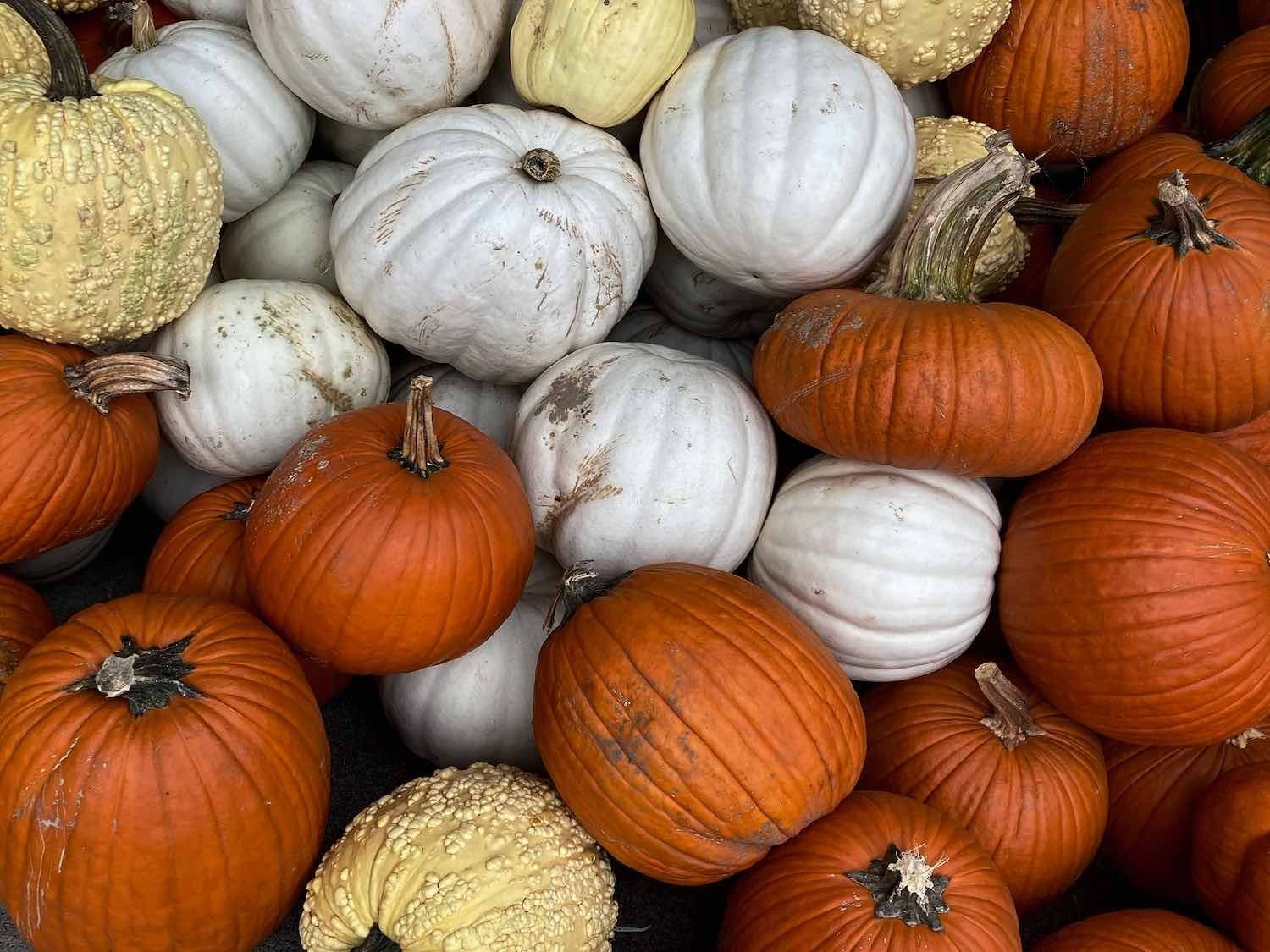
Assorted orange, white, and pale yellow pumpkins stacked together at a market.

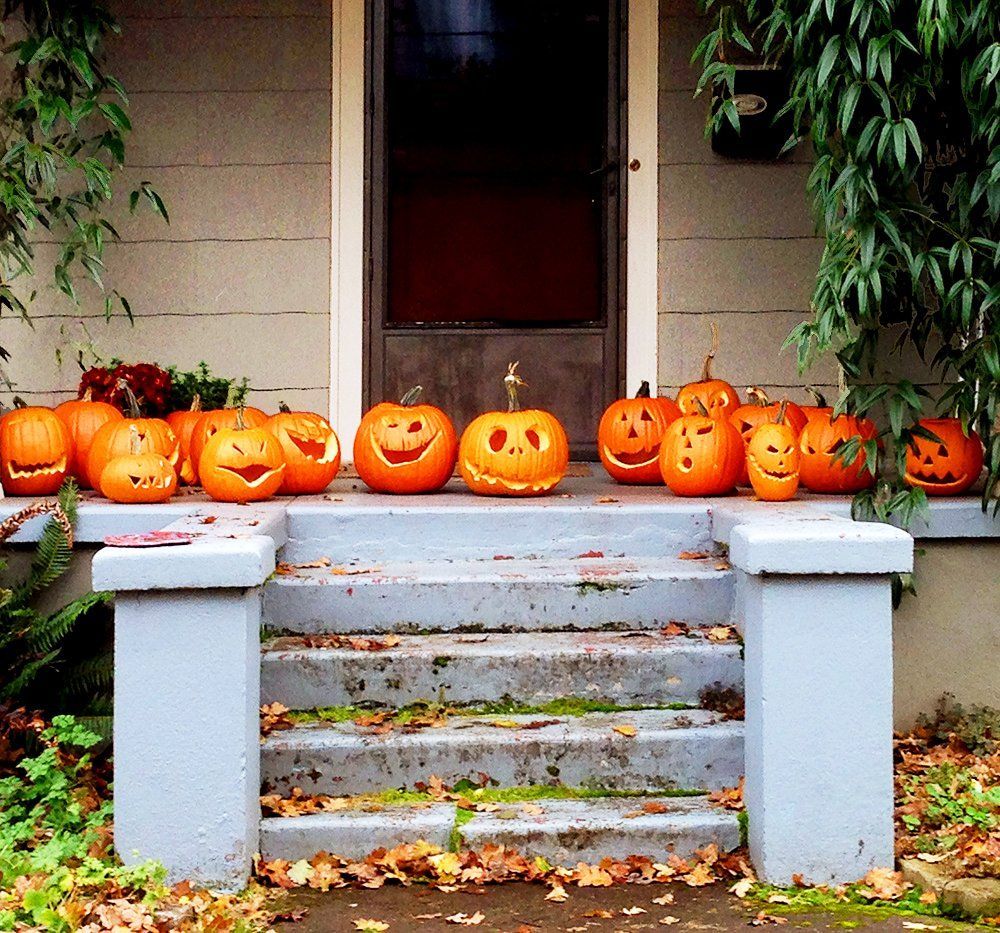
Jack-o'-lanterns

Pumpkins with carved faces lined on a porch step in front of a house

The custom of making jack-o'-lanterns at Halloween began in Great Britain, but the carving of vegetables has been a common practice in many parts of the world. In the 1800’s turnips were hollowed out and carved with faces to act as lanterns on Halloween. In the United States, carving pumpkins was first associated with the harvest season, before it became a symbol of Halloween. An 1895 article, suggested giving lit jack-o'-lanterns to children as prizes for games played on Thanksgiving.

As a child, I remember picking out pumpkins at the grocery store, trying to find the perfect shape for carving. Once we got home with our 2 or 3 pumpkins, we would head to the kitchen, spread newspapers across the floor, get out the big butcher knife, and carefully cut the exact shape out of the top, which would be the jack o’ lantern’s lid, then start shoveling out all the seeds and stringy innards. 

The next step was to figure out what kind of faces you were going to carve on your pumpkins. This is where your artistic prowess came into play. In those days, there were no fancy carving sets that are available now. It was just you and the butcher knife. When you were finished, you would light candles inside each of your jack o’ lanterns, and carefully set them all out on the porch. They looked so cool lit up, and they were a signal to the trick-or-treaters that you were open for business. 🎃


Woman kneeling on a garden path petting two dogs between hedges and a fence

Enjoy, and as always love hearing from you!
Till the next time...
Love, Holly ~ Your Queen Bee at The White Pear
             

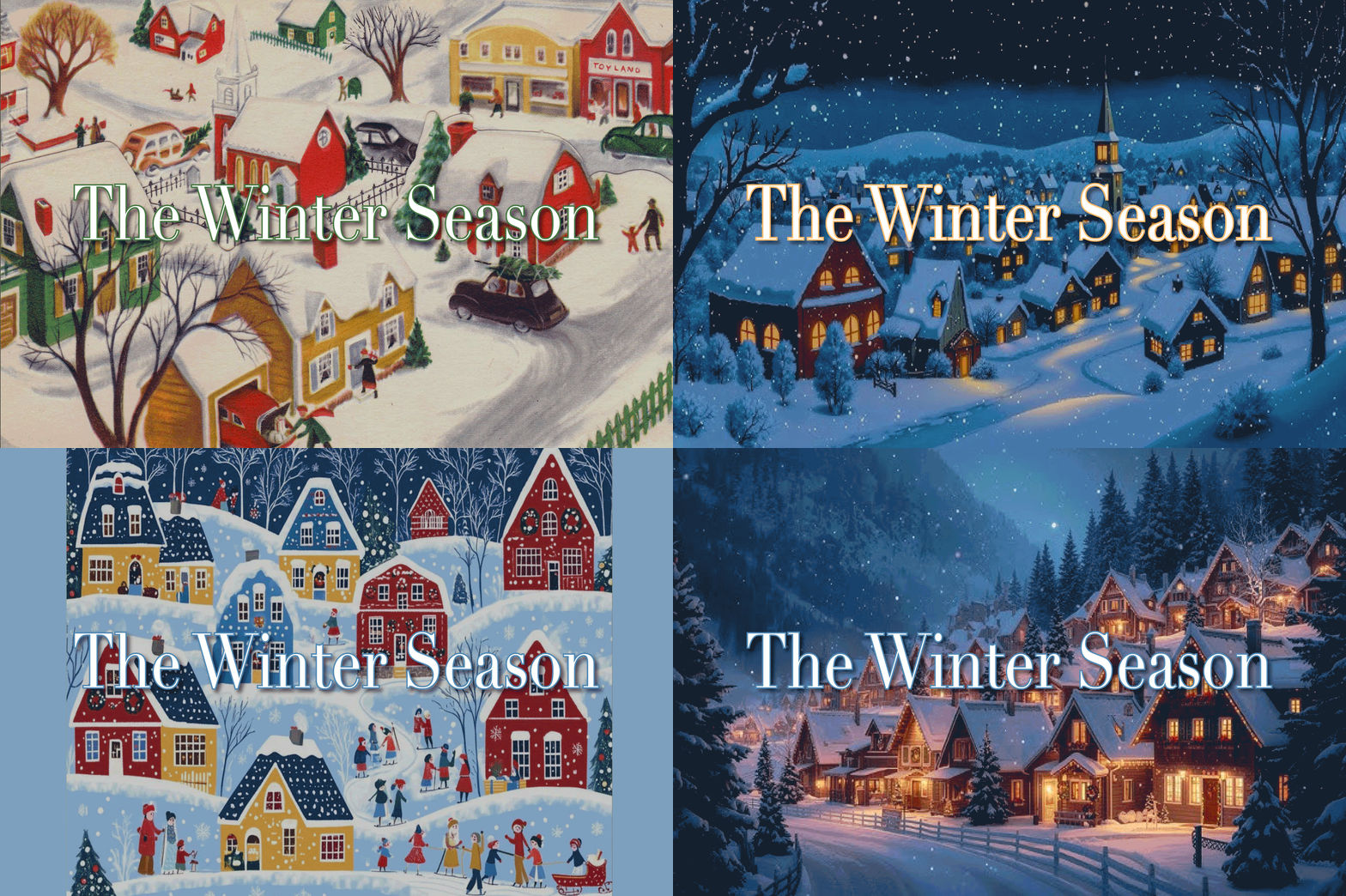
Winter village scene with snow-covered houses, trees, and people; text reads “The Winter Season.”
By Holly Stickley • January 19, 2026
I hope you are enjoying these brisk, sunny winter days, here in the Pacific Northwest. We have a lot of cloudy days, so sunshine always makes me happy🌞!  I’m hoping for a mild winter, but February usually brings us snow down to the lower levels. Check out my 10 Winter Landscaping Tips: 

Canal beside old brick building and chimney; person walking along stone path under a cloudy sky
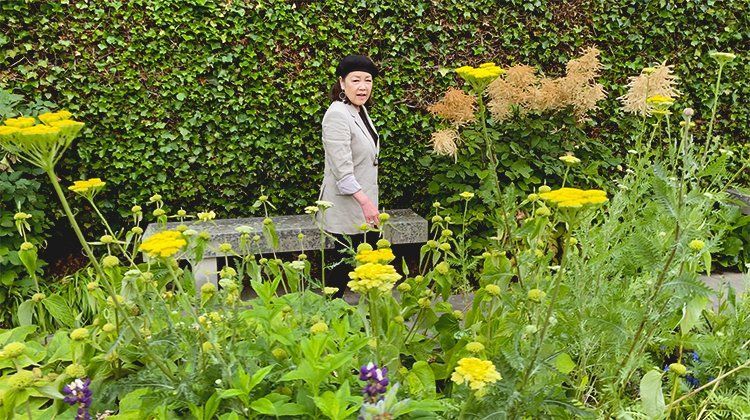
By Holly Stickley • August 13, 2025
Here is our second mini-video installment from our summer trip to the UK, featuring Hidcote Manor Garden in the Cotswolds, England. Hidcote Manor Garden is a world-famous Arts & Crafts inspired garden, designed by Major Lawrence Johnson, set against the backdrop of the rolling hills of the North Cotswolds countryside.
Person standing by a bench in a lush garden with yellow flowers and a green ivy wall.
By Holly Stickley • July 30, 2025
Hello Garden Friends! I hope you’re all having a fabulous summer. I just returned from a garden / graduation trip to the UK, and I’d like to share with you a bit of the Scottish culture with short video of my nephew’s graduation from the University of St. Andrews in Scotland. A very special day for my family and our friends.

Two people smiling on a couch outdoors, wearing straw hats and light summer clothes.
By Holly Stickley • April 24, 2025
If you were wondering if you could grow palm trees in the Pacific Northwest, yes you can! Windmill Palms are a classic palm in the Pacific Northwest. They are cold-hardy to 10 degrees and short drops to zero degrees. Windmill Palms thrive in zones 7 to 11.Their trunk is covered in fur and acts like an insulation to protect the interior from the cold.
By Holly Stickley • February 1, 2025
Hello Garden Friends! If any of you are wondering if you can plant in the winter, yes you can! You can plant in the winter, as long as what you’re planting is hardy for your planting zone. When the ground is frozen, what we do at The White Pear is use a pickaxe to break up the soil, dig out the appropriate size planting hole, fill with good blended soil, plant, and mulch with 2-3 inches of compost. Last fall, we had the pleasure of designing a landscape on a hilltop in the Dundee, Dayton wine producing region of Oregon. The 360 degree views were stunning.
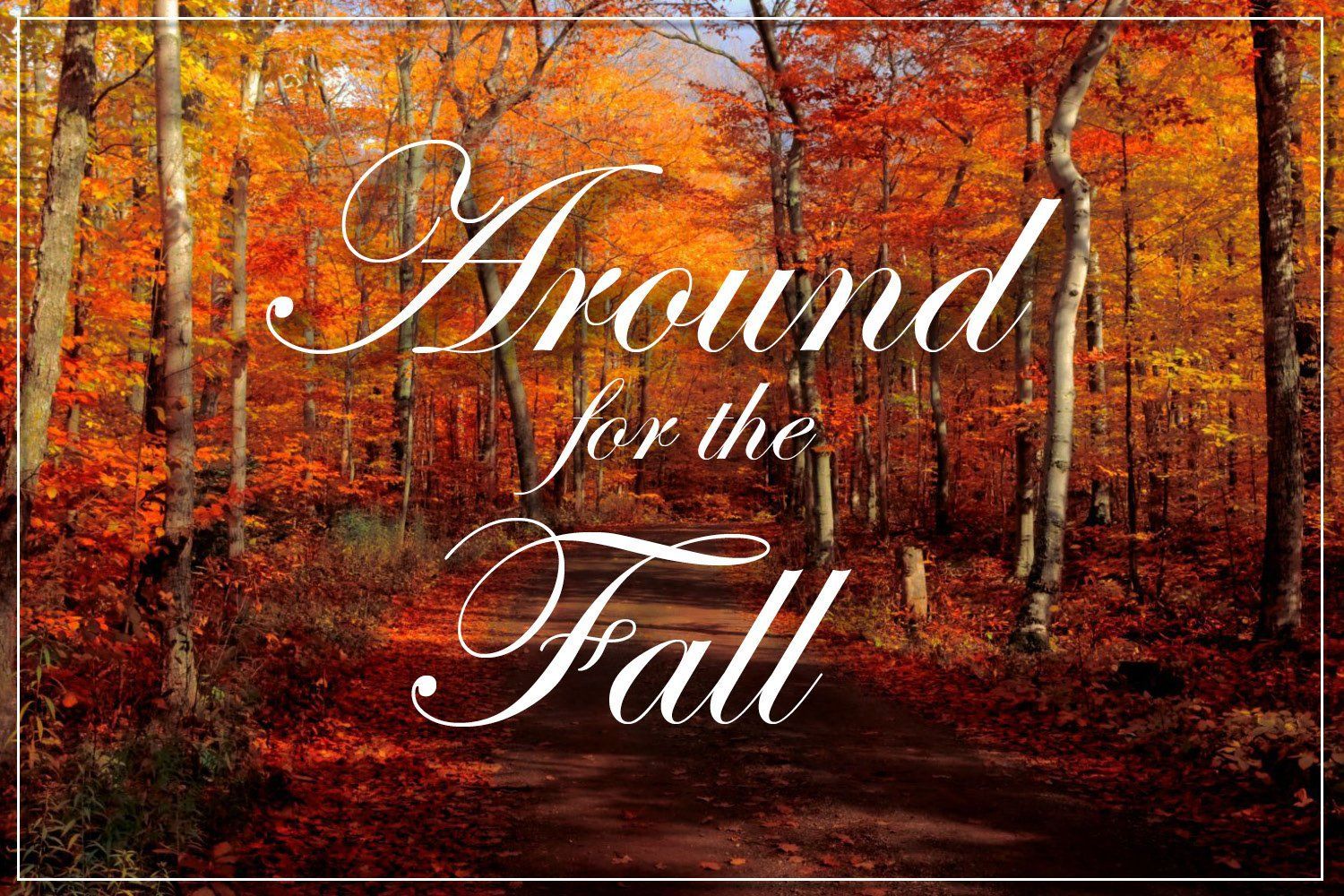
Autumn forest path with white script reading “Around for the Fall”
By Holly Stickley • September 26, 2024
Installing a garden in the fall offers numerous advantages. Cooler temperatures, less plant stress, and the soil is still warm enough to encourage root growth. Additionally, fall planting allows plants to establish themselves before the heat of summer, leading to healthier, more resilient gardens. And, it’s also just a lovely time to be outdoors in the mild weather. Fall is my husband’s favorite time of the year, but I’m guessing it’s more for football, and not gardening…

Pink and orange flowers with overlaid text reading “Spring is Here”
By Holly Stickley • February 17, 2024
After months of rain, snow, wind, and ice, early spring is the ideal time to walk your landscape and assess tree health. Broken or damaged branches should be removed for safety and plant vitality, and if you haven’t yet pruned for shape, do it now before foliage fills in. Keep an eye on the forecast, as a late frost can still catch new growth off guard, protect tender buds with mulch, frost cloth, or by bringing potted plants indoors.

Snowy park path with lit trees and benches, overlaid with “Merry Christmas” text
By Holly Stickley • December 6, 2023
Happy Holidays Family & Friends! Well here we are again, one year older, one more trip around the sun, and we’re back into the holiday hubbub, can you believe it? In this last year, our little landscape company had its busiest year ever. We are so grateful to all our many wonderful clients, who we enjoy collaborating with, and who have become a part of The White Pear family. For this winter post, we’ve put together some fun facts about a well known holiday tradition, winter tips for the garden, and one of our favorite holiday dessert recipes.
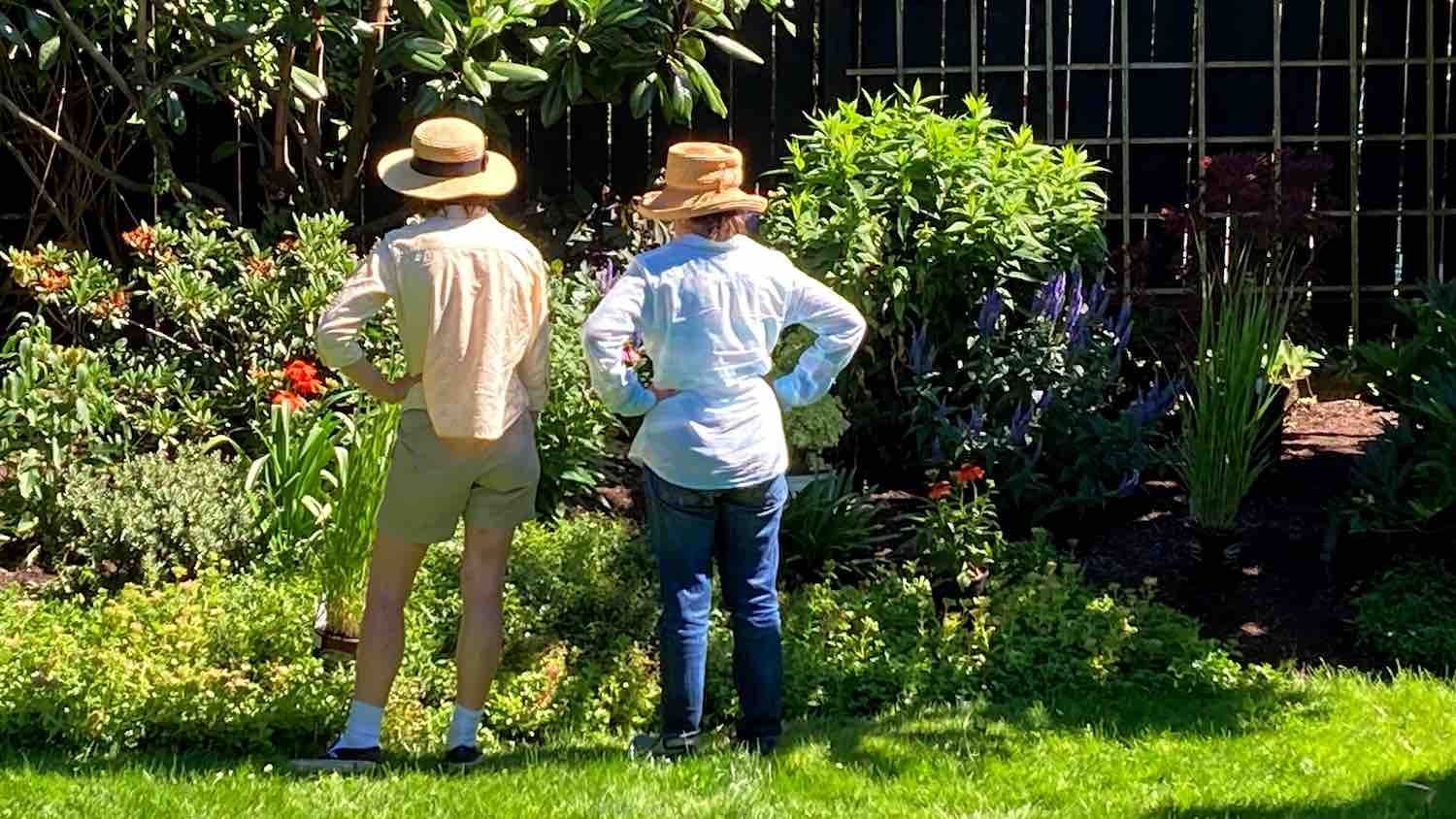
Two people in straw hats standing in a sunny garden, facing a lush flower bed and greenery.
By Holly Stickley • July 27, 2023
We’ve all heard of “auto detailing.” Well…instead of auto, think garden. We are introducing a new concept in landscape maintenance, “The Garden Detail.” For some of us, “mow & blow” just ain’t gonna cut it. 30 minutes of loud mowers and blowers is pure misery for you, and your neighbors. But, just to be clear, mowers and blowers are a necessity, but here at The White Pear we take time for the finer details. Does a 30 minute visit from your neighborhood mow & blow outfit get into all those tiny little nooks and crannies?